
Table of Contents
Your profile photo isn’t decoration. It’s the difference between getting lost in the scroll and landing a conversation with someone who actually gets what you’re looking for. In gay sugar dating, photos carry the weight of first impressions, setting expectations before a single word is exchanged. The dynamics have shifted dramatically since apps reshaped how gay men connect—what worked on traditional dating platforms doesn’t always translate here.
Here’s the thing about sugar dating within the LGBTQ+ community: it exists at the intersection of attraction, lifestyle compatibility, and mutual understanding. Your photos need to communicate all three simultaneously. That’s not vanity—that’s strategy. And honestly? Most guys get this wrong because they approach it like any other dating profile, missing the nuances that make sugar arrangements work.
The reality is that different markets respond to different visual cues. A profile that crushes it in San Francisco might need adjustments for someone browsing in London or Sydney. Cultural context matters, discretion levels vary, and what reads as confident in one city might seem too forward in another. Understanding these subtleties separates profiles that convert from those that collect dust.
Why Visual Strategy Matters More Than You Think
Look, we’ve all heard “a picture is worth a thousand words.” In sugar dating, it’s worth considerably more than that. Your photo gallery is doing multiple jobs at once: establishing attraction, suggesting lifestyle fit, communicating personality, and signaling what kind of arrangement you’re seeking—all without being explicit about any of it.
The men browsing these platforms aren’t just evaluating physical appearance. They’re reading between the lines. Is this someone who travels well? Can he hold a conversation at dinner? Does he understand discretion? Will he fit into my social circles when needed? Your photos answer these questions before you ever get the chance to type a message.
Think about the diversity within our community for a second. A daddy looking for a athletic companion has different priorities than one seeking a creative type who appreciates art galleries and theater. Neither approach is wrong—they’re just different. Your photos should make it immediately clear which category you fall into, saving everyone time and creating better matches from the start.
Beyond that, there’s the practical consideration of safety and verification. Good photos help legitimate prospects feel confident they’re talking to a real person, not a catfish or scammer. That trust-building starts visually, especially on platforms like Гей клуб Sugar Daddy where authenticity is valued.
The Foundation: Technical Quality That Doesn’t Scream “Trying Too Hard”
Professional photos can work. Amateur photos can work too. What doesn’t work? Blurry, poorly lit shots that suggest you couldn’t be bothered to spend five minutes getting it right. The technical baseline isn’t about perfection—it’s about showing you give a damn about presentation.

Natural lighting solves about 80% of photography problems. The harsh overhead lighting in your bathroom? Not your friend. That golden hour glow right before sunset? Absolutely your friend. Morning light tends to be softer and more forgiving, while late afternoon adds warmth that reads well on screens. If you’re shooting indoors, position yourself near windows and avoid direct overhead sources.
Camera angles matter more than most guys realize. Shooting slightly above eye level is universally flattering—it elongates the neck, defines the jawline, and creates a more engaging perspective. Shooting from below rarely works unless you’re specifically going for a dominant vibe, and even then, it’s tricky to pull off without looking unintentionally comedic.
Plus, background selection says more than you might think. A cluttered room suggests disorganization. A completely blank wall can feel sterile and impersonal. The sweet spot is a clean, contextual background that adds interest without distraction—bookshelves, urban architecture, natural settings, or well-designed interiors all work depending on the vibe you’re cultivating.
One practical note on image quality: upload high-resolution photos that don’t pixelate when someone zooms in. Nothing kills interest faster than grainy images that make people wonder what you’re hiding. Modern smartphones handle this fine—you don’t need expensive equipment, just attention to detail.
Natural Lighting is Essential
Golden hour shooting—early morning or late afternoon—provides the most flattering, natural glow. Position yourself near windows for indoor shots, avoiding harsh overhead lights that create unflattering shadows. Soft, diffused light smooths skin tones and creates professional-looking results without expensive equipment. The difference between poor and excellent lighting can make or break profile photo effectiveness.
Angle and Composition Matter
Shooting from slightly above eye level creates universally flattering perspectives—elongating the neck and defining facial features. Avoid extreme angles that distort proportions or create unflattering views. Consider the rule of thirds for composition, placing yourself off-center when appropriate. Background context should complement without distracting, adding personality through thoughtful environmental selection rather than clutter.
High-Resolution Image Quality
Upload clear, sharp images that maintain quality when viewed full-size. Grainy or pixelated photos suggest carelessness and raise questions about what you might be hiding. Modern smartphones provide sufficient resolution—focus on proper focus, steady hands, and adequate lighting rather than expensive camera equipment. Image quality communicates attention to detail and seriousness about making genuine connections.
Building a Balanced Gallery: Variety With Purpose
A single great photo isn’t enough. You need a collection that tells a coherent story while showing different facets of who you are. The ideal profile typically includes 4-6 photos, each serving a specific function within the overall narrative you’re constructing.
Start with your primary photo—this is what appears in search results and thumbnails, so it carries the most weight. It should be a clear face shot with good lighting, a genuine smile (not forced), and minimal distractions. This photo answers the fundamental question: “Am I attracted to this person?” Everything else builds from there.
Your second and third photos should provide context. A full-body shot demonstrates your build and style without being overtly sexual. Casual clothing that fits well works better than gym selfies or shirtless mirror shots—save that energy for later if mutual interest develops. The goal here is showing how you carry yourself in the world, not advertising a hookup.
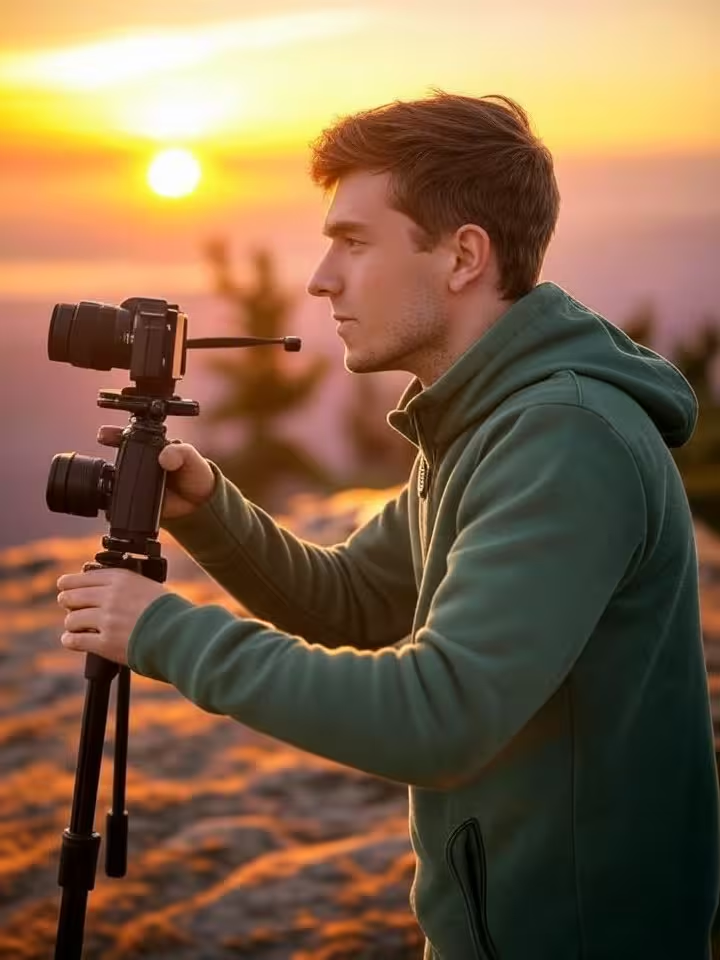
By the way, activity photos add personality and conversation starters. Maybe you’re hiking, exploring a city, at a museum, or enjoying coffee at an outdoor café. These images communicate interests and lifestyle compatibility while breaking up the monotony of standard portrait shots. They also provide natural talking points for initial messages.
One semi-formal photo can work well if your target demographic skews toward established professionals who value that aesthetic. Think business casual or smart casual—something that suggests you clean up well for dinners or events. This resonates particularly with daddies who need a companion for social functions where presentation matters.
The thing is, each photo should add new information. If two shots communicate the same thing, cut one. Repetition wastes valuable gallery space and suggests you don’t have much range to offer.
What Works Across Different Markets and Demographics
Gay sugar dating isn’t monolithic—what resonates in West Hollywood might fall flat in Hamburg, and vice versa. Understanding regional and cultural preferences helps you optimize for your target market without compromising authenticity.
In North American cities like New York, Los Angeles, Miami, and San Francisco, the aesthetic tends toward polished casual. Think well-groomed, fitness-conscious, but not overly styled. Urban backdrops work well—skyline views, trendy neighborhoods, cultural landmarks. The vibe is cosmopolitan and confident without being flashy.
European markets like London, Berlin, Amsterdam, and Barcelona often appreciate a slightly more relaxed, artsy aesthetic. Natural settings, cultural contexts (museums, historic sites), and creative composition can resonate well. There’s often more appreciation for personality over pure physical presentation, though attraction obviously still matters.
Watch out for cultural nuances around discretion. In some markets, particularly outside major metropolitan areas or in regions where LGBTQ+ acceptance varies, more conservative photo choices might be strategic. That doesn’t mean hiding who you are—it means reading the room and adjusting accordingly.
Age demographics within your target audience also influence optimal photo strategy. Younger daddies (30s-40s) often respond to more contemporary, social-media-influenced aesthetics. Older demographics (50s+) might appreciate classic, timeless presentation over trendy styles. Neither approach is superior—they’re just different, and you should align with who you’re trying to attract.
That being said, authenticity trumps pandering. If you’re naturally edgy, trying to present as conservative will attract the wrong people. Better to own your aesthetic and attract compatible matches than create false expectations that collapse on first meeting.
Common Mistakes That Tank Otherwise Good Profiles
I’ve seen countless profiles sabotage themselves with easily avoidable errors. The most frequent mistake is inconsistent photo quality—mixing professional shots with grainy bathroom selfies creates cognitive dissonance. Maintain consistent quality standards across your entire gallery.
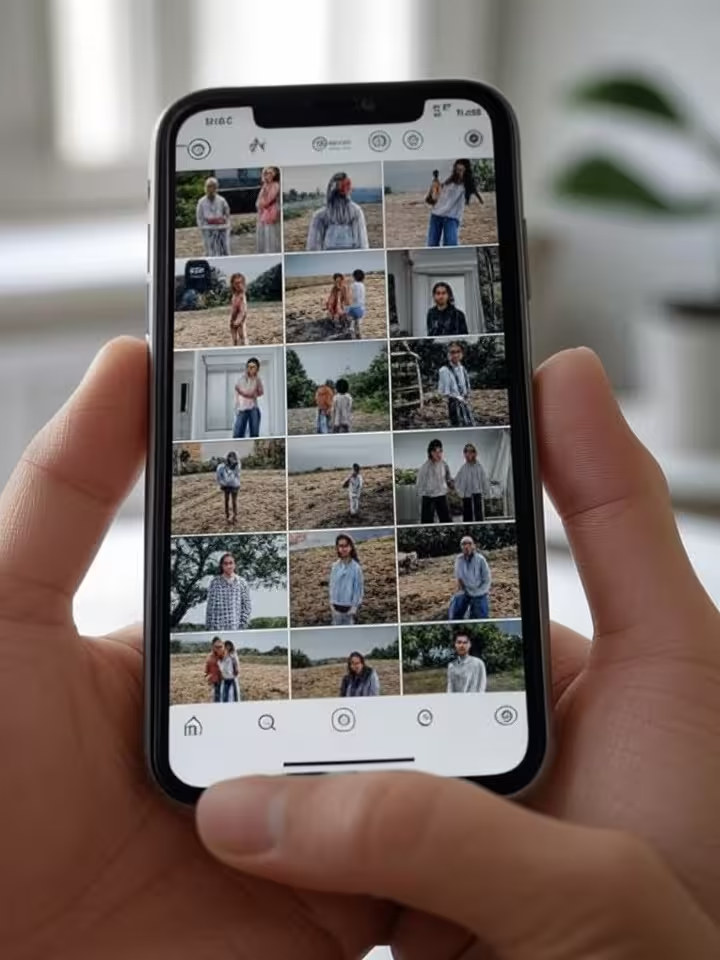
Group photos present another problem. While one group shot can demonstrate social proof, too many make people play “Where’s Waldo” trying to identify you. If you include group photos, make absolutely certain you’re easily identifiable, and never make them your primary image.
Overly filtered or edited photos create trust issues. Heavy filters, dramatic color corrections, or obvious Facetune usage suggest insecurity or deception. Light retouching is fine—removing a temporary blemish or adjusting exposure. But if your photos don’t reasonably represent how you look in person, you’re setting yourself up for awkward first meetings and damaged credibility.
On the flip side, neglecting basic grooming in photos sends the wrong message entirely. You don’t need to look like you stepped off a magazine cover, but messy hair, visible stains on clothing, or unkempt facial hair (unless that’s deliberately your style) suggest you don’t value presentation.
The truth is, old photos become problematic after about six months. If your appearance has changed significantly—different hairstyle, weight fluctuation, new facial hair—update your gallery. Nothing kills attraction faster than showing up to a date looking noticeably different from your photos. It’s not about being perfect; it’s about being accurate.
And here’s one that might surprise you: too many shirtless photos can actually work against you in sugar dating contexts. One well-done beach or pool photo? Fine. An entire gallery of gym selfies? Suggests you might not have much else to offer beyond physical appearance. Remember, these arrangements typically involve more than just physical attraction.
Balancing Appeal With Discretion and Privacy
Privacy considerations in gay sugar dating require thoughtful navigation. Some daddies are out and proud; others are managing complex personal situations that require discretion. Your photos need to appeal to both demographics without compromising your own boundaries or safety.
Consider face visibility strategically. While your primary photo should clearly show your face (it’s the main selling point), you might include one or two photos that prioritize body, style, or setting without full facial visibility. This gives privacy-conscious viewers something to appreciate while protecting your anonymity to a degree.
Background details matter more than most people realize. That photo in front of your apartment building with the visible address? Bad idea. The shot inside your office with company branding visible? Also risky. Choose backgrounds that add visual interest without providing identifying information that could compromise your privacy or security.
Plus, reverse image search is a thing. If you’re using photos from your public Instagram or other social media, anyone can potentially find your other accounts. That might be fine for you, or it might be a privacy concern depending on your situation. Make that choice deliberately rather than accidentally.
Some guys maintain separate photo sets for different platforms—more revealing on hookup apps, more conservative on sugar dating sites. That’s a valid strategy if you’re managing different personas or privacy levels. Just maintain consistency within each platform to avoid confusion.
I have to say, if discretion is important to you, avoid photos at recognizable LGBTQ+ venues or pride events unless you’re comfortable being associated with those spaces publicly. There’s zero shame in visibility, but some guys legitimately need privacy for professional or personal reasons. Make informed choices based on your circumstances, not judgment about what you “should” do.
The Psychology of Visual Appeal in Sugar Dating Contexts
Beyond technical quality and content variety, understanding the psychological dimensions of photo selection gives you a significant advantage. Sugar dating operates on different psychological triggers than casual dating or hookups, and your photos should acknowledge those differences.
Traditional dating apps optimize for instant physical attraction—swipe culture rewards obvious sex appeal. Sugar dating incorporates that element but adds layers of lifestyle compatibility, social presentation, and long-term arrangement potential. Your photos need to communicate “I’m attractive” while also suggesting “I’m worth investing in beyond tonight.”
Subtlety often works better than obviousness here. The photo that hints at your physique through well-fitted clothing creates intrigue; the shirtless gym selfie delivers information without mystery. The travel photo from an interesting location suggests adventure and cultured interests; the bathroom mirror shot suggests you couldn’t be bothered to try harder.
Color psychology plays a role too. Blues and earth tones photograph well and convey stability, trustworthiness. Reds and bright colors grab attention but can feel aggressive in large doses. Black clothing photographs as sophisticated and timeless but can wash you out if not balanced with good lighting.
Genuine smiles activate different neural responses than posed or forced expressions. People instinctively recognize authentic emotion, and photos where you’re genuinely enjoying yourself create positive associations that transfer to perceptions of you as a person. That warmth matters in contexts where people are evaluating you for ongoing arrangements, not just one-night encounters.
Come to think of it, eye contact through the camera creates connection. While not every photo needs direct eye contact, your primary image should typically include it. Research shows that eye contact builds trust and engagement—both valuable commodities in establishing sugar dating connections.
Seasonal and Situational Photo Strategy
Your photo strategy shouldn’t be static. Refreshing your gallery periodically keeps your profile feeling current and gives repeat viewers new content to engage with. Beyond basic updates, consider strategic seasonal and situational adjustments.
Winter months might emphasize cozy, indoor aesthetics—sweaters, fireplaces, café settings. Summer naturally lends itself to outdoor shots, beach photos, festival atmospheres. These seasonal rotations keep your profile feeling relevant and timely while showcasing how you adapt to different contexts.
Travel photos, when you have them, work exceptionally well. They demonstrate financial accessibility (you can afford to travel), cultural curiosity, and adaptability—all attractive qualities in sugar dating contexts. Just make sure they’re recent enough to represent your current appearance.
That said, event-based photos can be hit or miss. Pride festival photos signal LGBTQ+ pride and community connection, which might resonate with some viewers and alienate others who prefer discretion. Understand your target audience before making these choices—there’s no universal right answer, only context-appropriate ones.
Beyond specific content, simply updating your gallery signals active engagement with your profile. Stale photos from two years ago suggest you’re not actively looking or have abandoned your profile. Fresh content indicates you’re present and genuinely seeking connections.
Leveraging Social Media Integration Without Oversharing
Instagram and social media have become de facto extensions of dating profiles, including in sugar dating contexts. Many guys now link Instagram handles to their profiles, providing additional visual content and personality context. This can be powerful—or problematic—depending on execution.
If you choose to link social media, curate it intentionally. Your Instagram becomes part of your sugar dating profile, so ensure it reinforces rather than contradicts the image you’re projecting. That doesn’t mean creating a fake persona, but it does mean being strategic about what’s publicly visible.
Look, a well-curated Instagram tells a story about your lifestyle, interests, and aesthetic sensibility. Travel photos, food experiences, cultural activities, social moments—these create a richer picture than any profile could alone. They also provide conversation starters and help potential daddies envision you fitting into their lives.
But watch out for oversharing. That Instagram story ranting about work drama? Potential daddies can see that. Those posts about financial struggles or relationship problems? Also visible. Social media integration means everything public becomes part of your presentation, so maintain consistency between what you project in your profile and what appears on linked accounts.
Privacy settings matter here too. If you link Instagram, you’re choosing visibility. If you prefer separation between sugar dating and other parts of your life, don’t link accounts. There’s no requirement to integrate social media—plenty of successful profiles exist without it. Just make the choice deliberately based on your privacy comfort level and strategic goals.
Even so, some guys maintain separate “public” Instagram accounts specifically for sugar dating contexts—curated carefully to support their dating goals without exposing their entire personal lives. That’s a valid middle-ground approach if you want the benefits of social proof without total transparency.
Authentic Emotion Connects
Genuine smiles and natural expressions create stronger connections than posed or forced looks. People instinctively recognize authenticity, and photos capturing real moments—laughter, engagement, natural enjoyment—generate positive emotional responses. This psychological warmth transfers to overall perception, making you seem more approachable and trustworthy. In arrangement contexts where ongoing compatibility matters, emotional authenticity in photos establishes foundation for genuine connection beyond surface attraction.
Color Psychology Influences Perception
Color choices in clothing and backgrounds subtly influence viewer perception. Blues convey trustworthiness and stability; earth tones suggest grounded reliability. Bright reds grab attention but can overwhelm in larger doses. Black reads as sophisticated and timeless, though it requires good lighting to avoid washing you out. Strategic color selection reinforces the personality and qualities you want to communicate, working subconsciously to create desired impressions before conscious evaluation begins.
Eye Contact Builds Trust
Direct eye contact through the camera lens creates psychological connection and builds trust with viewers. While variety in photo angles is important, your primary profile photo should typically include direct eye contact. This engagement activates neural responses associated with personal connection, making viewers feel you’re addressing them specifically rather than posing generically. In contexts where trust and genuine connection matter—like sugar dating arrangements—this subtle psychological element can significantly influence first impressions.
Subtlety Creates Intrigue
Suggestion often proves more effective than explicit display in sugar dating contexts. Photos that hint at physique through well-fitted clothing create intrigue and leave room for imagination, whereas overly revealing shots deliver all information immediately without mystery. The difference matters in arrangement-seeking contexts where sustained interest and anticipation factor into initial attraction. Strategic suggestion respects the courtship dynamic inherent in sugar dating while still communicating physical appeal effectively.
Testing, Iteration, and Continuous Improvement
The guys who consistently succeed with their profiles treat photo selection as an iterative process, not a one-time decision. Testing different photos, analyzing what generates responses, and refining based on actual data beats guessing every time.
Start by establishing a baseline. Upload your initial gallery and track metrics—profile views, messages received, quality of conversations initiated. Give it a couple weeks to gather meaningful data, then start making strategic changes. Replace your primary photo and monitor if engagement increases or decreases. Swap out activity photos and see if it impacts conversation starters.
The thing is, small changes can produce significant results. Sometimes it’s as simple as better lighting in your main photo. Other times, adding a travel photo creates new conversation opportunities that drive engagement. You won’t know what works for your specific market and target demographic until you test.
Pay attention to the kinds of messages you receive. If you’re attracting the wrong type of attention, your photos might be sending unintended signals. Too many sexual messages when you’re seeking serious arrangements? Maybe dial back revealing photos. Not getting enough interest from established professionals? Consider adding more polished, sophisticated shots.
Honestly, feedback from trusted friends—especially those with successful sugar dating experience—can provide valuable outside perspective. We’re often blind to how our own photos come across. Someone else can spot issues you’ve become desensitized to or identify strengths you’re underutilizing.
Beyond personal testing, staying current with broader trends helps. Follow successful profiles in your niche (without copying them directly). Notice what kinds of photos seem to resonate in your target market. Adapt successful strategies to your own authentic presentation rather than imitating wholesale.
Final Thoughts: Authenticity Wins Long-Term
After all this strategic discussion about angles, lighting, composition, and psychology, the most important element remains authenticity. You can optimize everything perfectly, but if your photos don’t represent who you actually are, you’re setting up both yourself and potential matches for disappointment.
Sugar dating works best when both parties genuinely enjoy each other’s company. That requires authentic connection, which starts with honest presentation. Your photos should absolutely show you in your best light—everyone understands we’re putting our best foot forward—but they should still fundamentally be you.
The right daddy for you wants the person you actually are, not some perfectly curated fiction. Attracting compatible matches beats attracting maximum attention every single time. A smaller number of high-quality connections who appreciate your authentic self creates better experiences than lots of mismatched interest based on misleading photos.
Plus, think long-term. If you secure an arrangement based on photos that don’t represent reality, how sustainable is that? First meetings become awkward. Trust gets damaged before it develops. The arrangement likely fizzles quickly, and you’re back where you started, except now you’ve wasted time and potentially damaged your reputation in a relatively small community.
By the way, recognizing genuine connections requires both parties presenting honestly. You can’t expect transparency from daddies if you’re not offering it yourself. The foundation of successful arrangements—mutual respect, clear expectations, genuine enjoyment—all require authenticity from the beginning.
So yes, optimize your photos. Use good lighting, choose flattering angles, select varied content that tells your story. But do all of this in service of presenting your authentic self as attractively as possible, not creating a fictional character that can’t be sustained. The best photos for your gay sugar baby profile are the ones that accurately showcase who you are while highlighting your most appealing qualities. Get that balance right, and you’ll attract the kinds of connections that actually work long-term.
Frequently Asked Questions
The ideal range is 4-6 photos, each serving a distinct purpose. Your primary photo should be a clear, well-lit face shot. Include at least one full-body image in casual clothing, one activity or lifestyle photo that shows interests, and potentially one semi-formal shot. Avoid redundancy—if two photos communicate the same thing, cut one. Quality and variety matter more than quantity. Too few photos (1-2) suggest lack of effort or potential deception; too many (8+) can overwhelm viewers and dilute your message.
One tasteful shirtless photo in an appropriate context (beach, pool, outdoor activity) can work if physique is a strong asset. However, multiple shirtless photos or obvious gym mirror selfies often backfire in sugar dating contexts. They can suggest you’re prioritizing hookup culture over arrangement-seeking, or that physical appearance is your primary offering. Sugar dating typically values broader compatibility beyond just physical attraction. If you include a shirtless photo, balance it with images showing personality, interests, and lifestyle. The goal is suggestion and intrigue, not explicit display.
Refresh at least one photo every 3-6 months to keep your profile current and signal active engagement. If your appearance changes significantly—new hairstyle, facial hair, weight change—update immediately to maintain accuracy. Seasonal rotations (updating backgrounds and clothing for different seasons) keep your profile feeling fresh for repeat viewers. Complete overhauls aren’t necessary unless your entire look has evolved. Strategic updates show you’re actively maintaining your profile without suggesting desperation. Photos older than 12-18 months should generally be replaced to ensure you’re representing your current appearance honestly.
It depends entirely on your privacy needs and what’s publicly visible on your Instagram. Linking provides additional visual content and personality context, which can strengthen your profile. However, it also connects your sugar dating activity to your broader social media presence. If your Instagram contains identifying information (real name, workplace, family photos, location tags), linking creates privacy risks. Consider creating a separate, curated Instagram specifically for sugar dating if you want the benefits without exposing your primary account. Ensure anything publicly visible aligns with the image you’re projecting and doesn’t compromise your safety or discretion requirements.
The most common mistake is treating sugar dating profiles like hookup apps, prioritizing obvious physical display over substance and personality. Galleries dominated by shirtless selfies or heavily filtered photos suggest superficiality and create wrong expectations. Another frequent error is using outdated photos that don’t represent current appearance—this damages trust immediately upon meeting. Poor technical quality (bad lighting, grainy images, unflattering angles) suggests carelessness. The fundamental mistake is forgetting that sugar dating seeks compatibility beyond just physical attraction, requiring photos that showcase personality, lifestyle, and the kind of companionship you can offer beyond appearance alone.